
How Long Does Zirconium Crown Sensitivity Last?
Medically reviewed by Eshat Araz, Head Dentist at CLINIQUEPLUS
Last updated: May 2026
This article is for general information only and is not a substitute for a professional dental examination. If you are experiencing pain or prolonged sensitivity, please consult a qualified dentist.
Are you considering getting a zirconium crown but worried about sensitivity? It’s a common concern for many people who are looking for a long-lasting, durable dental solution.
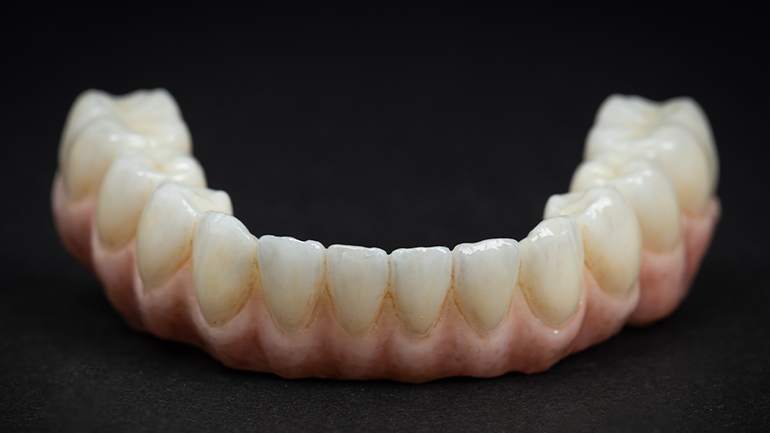
Zirconium crowns are a type of dental crowns made from zirconia, a strong and durable ceramic material. Some potential advantages of them include their natural-looking appearance, durability, biocompatibility, comfort, and convenience. They can look very natural in your mouth and can be matched to the color of your adjacent teeth. Additionally, zirconia crowns can be made in a single visit to the dentist using CAD/CAM technology, which means that you can avoid the need for multiple appointments.
In this blog, we’ll dive into the question: “How long does zirconium crown sensitivity last?” and provide some tips to help minimize any discomfort. CLINIQUEPLUS, the best dental clinic in Turkey, works to provide you with the most beautiful smile with its expert team and advanced equipment.
Quick answer: How long does it take for a zirconium crown to stop being sensitive?
In most cases, sensitivity after a zirconium crown is mild and fades within a few days to two weeks as the tooth settles. Some patients notice occasional sensitivity to hot or cold for up to three to four weeks. If sensitivity is severe, getting worse, or still present after about four weeks, contact your dentist — it may signal a bite (occlusion) issue, an exposed margin, or an underlying problem with the tooth beneath the crown.
Understanding Zirconium Crowns
Before we dive into sensitivity, let’s first discuss what zirconia crowns are. Zirconium dioxide is a strong and durable material that is often used in dental restorations. They are a popular choice because they are long-lasting and offer a natural-looking finish, and often recommended for those with severe tooth decay, discoloration, or cracks.
Zirconia is a very strong material, which means that zirconium crowns are less likely to break or chip. Zirconium is biocompatible, meaning that it is not likely to cause an allergic reaction or irritation in your mouth. They can be designed to fit your tooth precisely, which can help to reduce sensitivity and discomfort.
Zirconia has a relatively recent history in dentistry. The first use in dentistry was in the early 1990s when it was used to create abutments for dental implants. Since then, it has become a popular material in dentistry due to its unique properties. For all these reasons, metal crowns have also been replaced over time, and they are also involved in procedures such as Hollywood Smile and Digital Smile Design.
What are the Symptoms of Tooth Sensitivity After Crown?
Sensitive teeth can cause discomfort or pain when exposed to certain stimuli. The symptoms of them can vary from person to person, but some of the most common signs include:
- Pain or discomfort when consuming hot, cold, sweet, acidic, or spicy foods and drinks,
- Sharp pain when breathing in cold air or when brushing and flossing your teeth,
- Sensitivity when biting or chewing food,
- Aching pain or discomfort that lingers after exposure to a trigger.
If you’re experiencing any of these symptoms, you should see your dentist asap. They can help diagnose the cause of your sensitivity and provide you with advice on how to manage your symptoms. Some potential causes of sensitive teeth include tooth decay, gum disease, teeth grinding, and worn enamel. By identifying the underlying cause of your sensitivity, your specialist can help you find the best treatment options for your specific situation.
About Zirconium Sensitivity
The good news is that sensitivity after a zirconium crown procedure is usually temporary. Most people will experience this situation for a few days to a week after the procedure. However, in some cases, sensitivity may last longer. If you’re experiencing prolonged sensitivity, it’s important to talk to your dentist to rule out any potential complications.
While you can’t completely eliminate the possibility of sensitivity after a zirconium crown procedure, there are some things you can do to minimize discomfort. Here are a few tips:
- Avoid hot or cold foods and drinks for a few days after the procedure,
- Take over-the-counter pain relievers as recommended by your dentist,
- Use a desensitizing toothpaste,
- Avoid hard or crunchy foods that could cause further irritation,
- Maintain proper oral hygiene.
- In short, take care of your oral and dental care.
Zirconium Crown Allergy Symptoms: Should You Be Worried?
One of the most common concerns people search for is whether they can be allergic to a zirconium crown. The reassuring answer is that zirconia is metal-free and one of the most biocompatible materials used in dentistry, so a true allergic reaction to zirconia itself is extremely rare. In fact, zirconia is often the material specifically recommended for patients who have a known sensitivity to metals such as nickel.
What is far more common is irritation that can be mistaken for an allergy. Possible causes include:
- A reaction to the temporary cement or bonding agent, rather than the crown itself,
- Gum irritation from a crown margin that sits slightly below the gumline,
- Sensitivity in the underlying natural tooth as it settles,
- In older restorations, a reaction to the metals in a metal-based crown — not zirconia.
Symptoms people sometimes describe as an “allergy” can include persistent gum redness or swelling around the crown, an itching or burning sensation, a metallic taste, or a rash. If you notice any of these and they do not settle within a couple of weeks, see your dentist for an examination. This is general information and not a diagnosis — only an in-person assessment can confirm the actual cause.
Common Zirconium Crown Problems (and How to Avoid Them)
Zirconium crowns are durable and reliable, but like any dental restoration they can occasionally cause issues. Knowing what to look for helps you catch and prevent problems early:
- Temporary sensitivity: Common and usually short-lived, as described above.
- Bite or occlusion problems: If the crown sits even slightly too high, it can cause discomfort when chewing. A quick adjustment by your dentist usually resolves this completely.
- Gum irritation: Poorly fitting margins can irritate the surrounding gum. A precise, well-fitted crown prevents this.
- Crown loosening or debonding: Rare with good bonding, but possible over many years of use.
- Wear on opposing teeth: Covered in detail below.
The good news is that most of these problems are avoidable with an accurate fit, a properly adjusted bite, and an experienced cosmetic dentist.
Does a Zirconia Crown Wear Down the Opposing Teeth? (Antagonist Wear)
A frequent question is whether hard zirconia wears down the natural teeth it bites against. The key factor here is the surface finish, not the strength of the material. Rough or unpolished zirconia can be abrasive, but well-polished monolithic zirconia is actually gentle on opposing teeth — research indicates that highly polished zirconia causes minimal antagonist wear, often less than some other ceramic materials. To minimize wear on your natural teeth:
- Make sure the crown is properly polished, not just glazed,
- Have the bite carefully adjusted so contact is even,
- Wear a night guard if you grind your teeth (bruxism).
At CLINIQUEPLUS, zirconia crowns are carefully finished and polished to help protect your natural teeth.
How Long Do Zirconium Crowns Last?
With good oral hygiene and regular dental check-ups, zirconium crowns typically last 10 to 15 years, and many last considerably longer — even a lifetime — because zirconia resists chipping and cracking better than most materials. How long your crown lasts depends on several factors: your oral hygiene, whether you grind your teeth, your diet, and the precision of the original fit. Avoiding biting very hard objects (such as ice or pen caps) and wearing a night guard if you grind your teeth will help your crowns last as long as possible.
What Makes CLINIQUEPLUS Special?
As you read in our article, tooth sensitivity that can be seen after the procedure for zirconium crowns is usually temporary and if you experience it, it’s easy to get rid of. However, if you don’t take any action, it can lead to other serious problems. For the last time, we would like to remind you that if something goes wrong, don’t hesitate to call your dentist.
As the CLINIQUEPLUS family, at this point, we would like to remind you why we are the best dental clinic in Istanbul and how we have received so much positive patient feedback.
We offer you a wide range of health services from hair transplantation to dental treatments in our comfortable and hygienic boutique clinic in Istanbul, Turkey’s most beautiful city. As soon as you set foot in our country, we welcome you at the airport with VIP vehicles and provide you with accommodation in world-class hotels.
We continue to provide the best care not only before and during your treatment but also after. In addition, you will find the answer to your question where are the most affordable dental treatments in Turkey. Best prices for zirconium crowns at the most beautiful and professional clinique!
You can also think of your treatment process as a vacation opportunity. You can visit Istanbul, which connects the continents of Europe and Asia in all its glory, and you can easily reach the nearby historical and cultural locations with a full city tour. To experience this privilege, please CLINIQUEPLUS contact us.
Frequently Asked Questions
How long does it take for a crown to stop being sensitive?
For most patients, sensitivity after a zirconium crown fades within a few days to two weeks, and occasionally up to three to four weeks. If it is severe, worsening, or lasts beyond about four weeks, see your dentist, as it may indicate a high bite, an exposed margin, or an issue with the tooth underneath.
Can you be allergic to a zirconia crown?
True allergy to zirconia is extremely rare because zirconia is metal-free and highly biocompatible — it is often recommended for patients with metal sensitivities. What people describe as an “allergy” is usually irritation from the cement, the gum margin, or the underlying tooth. If symptoms persist for more than a couple of weeks, have a dentist examine the crown.
What are the most common zirconia crown problems?
The most common issues are temporary sensitivity, a slightly high bite that needs adjustment, minor gum irritation from the margin, and, rarely, debonding over time. Nearly all of these are easily managed by an experienced dentist with a precise fit and bite adjustment.
Do zirconia crowns damage the opposing teeth?
Not when they are properly polished. Well-polished monolithic zirconia is gentle on opposing teeth and causes minimal wear. You can minimize any wear by ensuring the crown is polished (not just glazed), having the bite adjusted, and wearing a night guard if you grind your teeth.
How long do zirconium crowns last?
With good care and regular check-ups, zirconium crowns usually last 10 to 15 years and often much longer. Longevity depends on oral hygiene, grinding habits, diet, and the precision of the fit.
How much does a zirconium crown cost?
The cost varies depending on the case and the number of crowns. At CLINIQUEPLUS in Istanbul, zirconium crowns are offered at highly competitive prices compared with the USA, UK, and Canada, often as part of an all-inclusive package with hotel and transfers. Contact us for a personalized quote.
Get Your Free, No-Obligation Quote
Tell us what you need — how many implants, which jaws, any existing X-rays. We will respond within 24 hours with your personalized treatment plan, implant brand confirmed in writing, and a full all-inclusive 2026 price. Affordable without compromise.
Free. No deposit. No commitment required.
- 📍 Location: Sanayi Mah, Levent, Sultan Selim Cd. No:22/A, 34025 Kağıthane / Istanbul, Turkey
- 📞 WhatsApp / Phone: +90 542 160 30 30
- 🌐 Website: cliniqueplus.com
- 📸 Instagram: @cliniqueplusdental
- ⭐ Rating: 4.9 / 5.0 from 100+ international patients