Dental Implants with Bone Loss: Can You Still Get Them? 2026 Guide
Can You Get Dental Implants with Bone Loss?
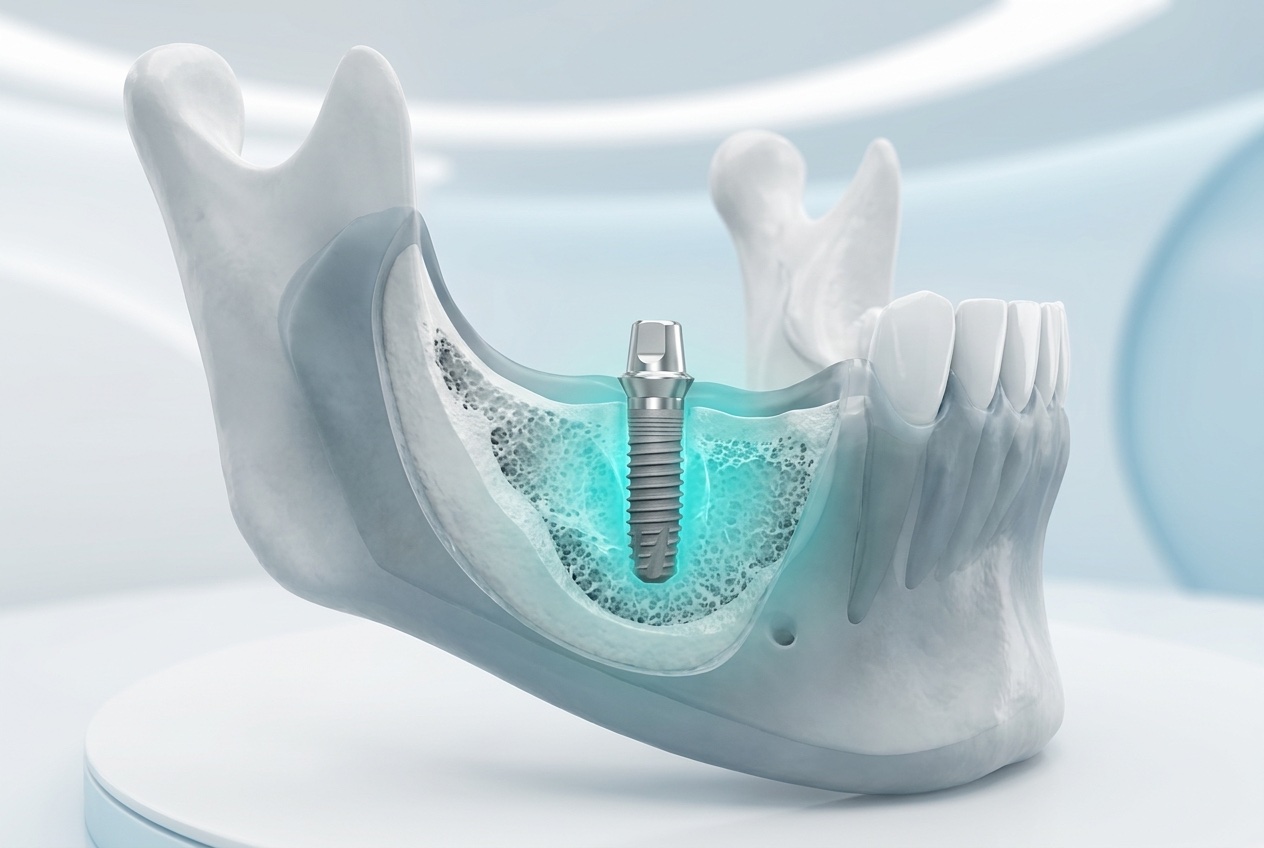
Yes — in the vast majority of cases, dental implants are still possible even with significant jawbone loss. Modern techniques like bone grafting, sinus lifts, All-on-4 tilted implants, and zygomatic implants mean that “not enough bone” is almost never a final answer anymore — it is simply the starting point for a different treatment plan. If a dentist in the US or Canada has told you that you are not a candidate for implants, or quoted you $10,000+ in bone grafting before a single implant is placed, this guide explains exactly what your options are — and why thousands of patients with severe bone loss get fully fixed new teeth in Istanbul every year at a fraction of the cost. At CLINIQUEPLUS, bone grafting is performed in-house by the same clinical team that places your implants, with single implants starting from $370 USD and full-arch solutions designed specifically for resorbed jawbones from $4,670 per jaw.
Why Your Jawbone Shrinks After You Lose Teeth
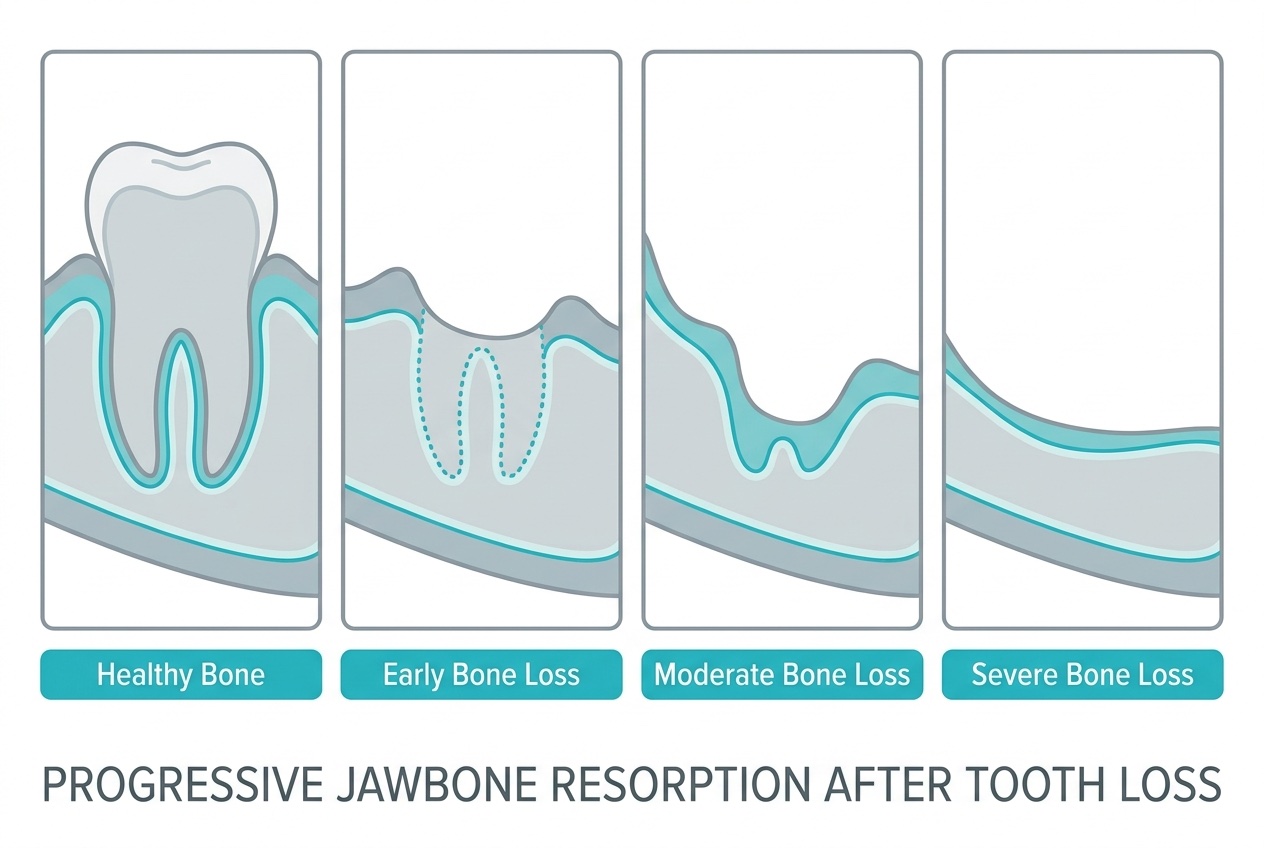
Jawbone behaves like muscle: it stays strong only while it is being used. Every time you chew, your tooth roots transmit pressure into the bone around them, and that stimulation tells your body to keep the bone dense and tall. When a tooth is lost — to decay, gum disease, an extraction, or trauma — that stimulation stops, and the body immediately begins reabsorbing the bone it no longer thinks it needs.
The numbers are dramatic and worth knowing:
- 25% of bone width is lost within the first year after a tooth is extracted and not replaced
- Bone loss continues at roughly 0.5–1% per year after that, indefinitely
- Long-term denture wearers experience some of the most severe resorption, because dentures press on the gum surface without stimulating the bone underneath
- Advanced gum disease (periodontitis), smoking, diabetes, and past substance use accelerate the process significantly
This is why the common story is so common: a patient loses teeth in their 30s or 40s, manages with dentures or gaps for ten or fifteen years, then finally decides to get implants — only to be told the bone has “melted away” and implants are no longer straightforward.
The critical point: bone loss changes which implant technique you need — it almost never eliminates implants as an option.
How Much Bone Do You Actually Need for an Implant?
A standard dental implant needs roughly 10mm of bone height and 6mm of bone width to be placed conventionally. A CBCT scan (3D X-ray) measures your exact bone volume in minutes, and that scan — not a verbal opinion — is what determines your real options.
| Your Bone Situation | What It Means | Typical Solution |
|---|---|---|
| Mild bone loss | Enough bone for standard placement | Conventional implants, no graft needed |
| Moderate bone loss | Ridge too narrow or short in places | Bone graft (often placed same day as implant) |
| Bone loss in upper back jaw | Sinus has expanded into implant space | Sinus lift + graft, then implants |
| Severe full-arch bone loss | Long-term denture wear, many missing teeth | All-on-4 / All-on-6 with tilted implants |
| Extreme upper jaw resorption | Too little bone even for grafting | Zygomatic (cheekbone-anchored) implants |
Every treatment plan at CLINIQUEPLUS starts with a free review of your X-rays or CT scan — before you book anything, you know exactly which category you are in and exactly what it will cost, in writing.
5 Proven Ways to Get Implants Even with Severe Bone Loss
1. Bone Grafting — Rebuilding the Bone You Lost
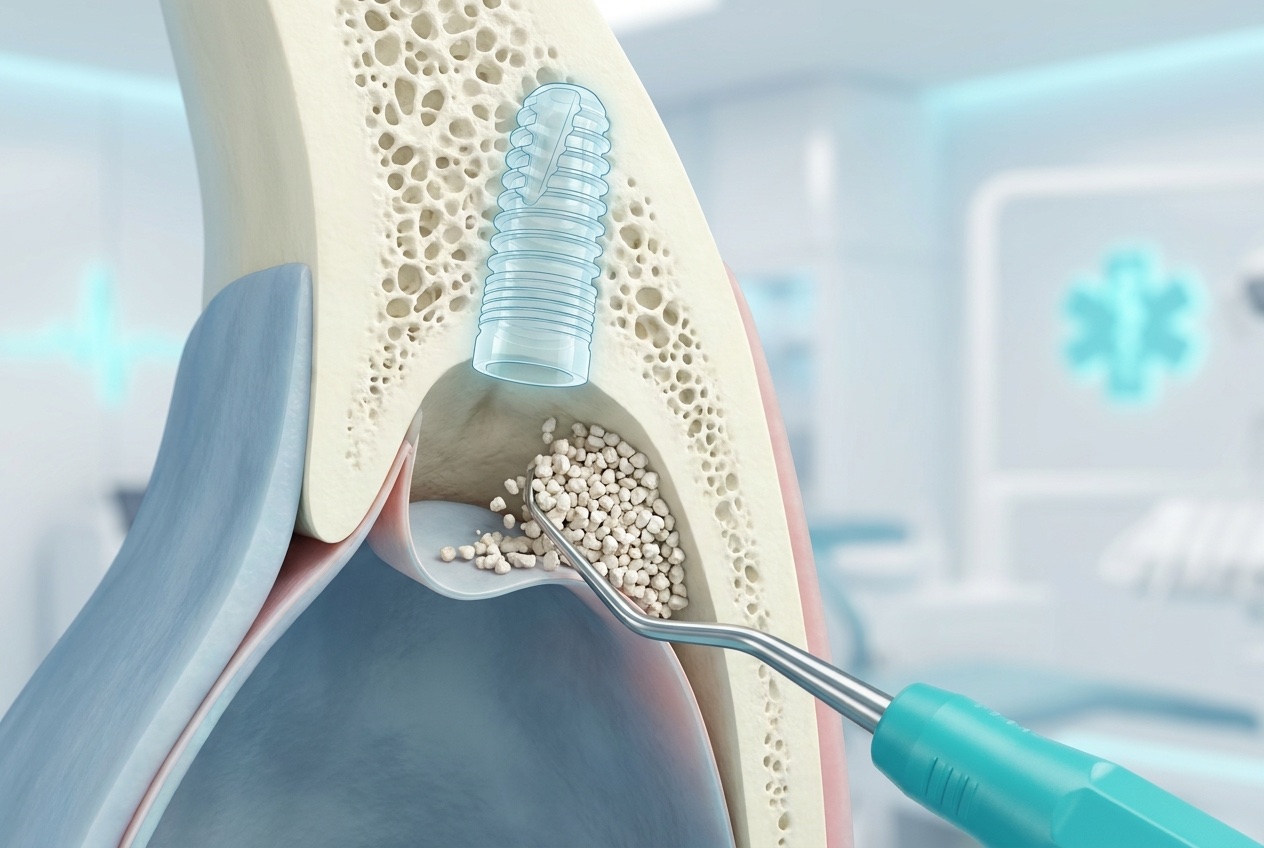
A bone graft adds new bone material — synthetic, donor, or your own — to the deficient area of your jaw. Over 3–6 months, your body integrates the graft and converts it into living, load-bearing bone that can hold an implant permanently. Minor grafts are routinely placed on the same day as the implant itself, adding no extra trips. Larger grafts are done first, followed by implant placement after healing.
2. Sinus Lift — Creating Space in the Upper Back Jaw
The most common problem area is the upper back jaw, where the maxillary sinus naturally expands into the space left by missing molars. A sinus lift gently raises the sinus membrane and fills the space beneath it with graft material — creating solid bone height for implants where there was almost none.
3. All-on-4 — Engineering Around the Bone Loss
The All-on-4 concept was invented specifically for resorbed jaws. Instead of placing 8–10 vertical implants (which severe bone loss makes impossible), four implants are placed at strategic angles — the back two tilted up to 45° — to anchor in the areas where bone naturally remains densest. A full fixed arch of teeth attaches to those four implants. For many patients with severe bone loss, All-on-4 eliminates the need for grafting entirely. Full details and prices: All-on-4 Dental Implants in Turkey: 2026 Cost & Packages.
4. Short and Narrow Implants
Modern implant systems include short (6–8mm) and narrow-diameter designs engineered for reduced bone volume. In carefully selected cases, these avoid grafting altogether — placed directly into the existing bone with excellent long-term success rates.
5. Zygomatic Implants — For the Most Extreme Cases
When the upper jaw has lost so much bone that even grafting cannot rebuild it, extra-long zygomatic implants anchor into the cheekbone (zygoma) instead of the jawbone — completely bypassing the resorbed area. This is the technique that makes fixed teeth possible for patients who have been told “nothing can be done.” It requires an experienced surgical team and is planned case-by-case from your CT scan.
What It Costs: Bone Loss Treatment in the USA vs Turkey (2026)
Bone loss is where US implant pricing truly spirals. The implant itself is only the beginning — grafting, sinus lifts, and full-arch solutions are each billed as separate major procedures. Here is the honest comparison:
| Procedure | Typical USA Cost | Turkey (Istanbul) |
|---|---|---|
| Bone graft (per site) | $600 – $3,000 | $120 – $600 |
| Sinus lift | $1,500 – $5,000 | $250 – $700 |
| Single implant (with crown) | $3,000 – $5,000 | From $370 |
| All-on-4 (one jaw) | $20,000 – $30,000 | $4,670 all-inclusive |
| All-on-4 (both jaws) | $40,000 – $60,000 | $7,960 all-inclusive |
| Full mouth rebuild with grafting | $50,000 – $90,000+ | Typically under $12,000 |
Turkey figures reflect typical Istanbul market ranges in 2026. CLINIQUEPLUS all-inclusive packages cover consultation, digital X-ray/CT planning, all procedures, premium Made in Switzerland implants and certified European brands, temporary prosthetics, medications, 6-night hotel with breakfast, and VIP transfers. Your exact grafting cost is confirmed in a written quote after free X-ray review — before you book anything.
For the complete implant price breakdown: Dental Implants in Turkey Cost 2026 | USA/Canada Guide. And for why these prices are structurally lower (not lower quality): Cheap Dental Implants Turkey: 2026 Honest Guide.
Told You Don’t Have Enough Bone? Get a Free Second Opinion
Send us your panoramic X-ray or CT scan — or just photos of your current situation. Our clinical team will review your bone volume and respond within 24 hours with a realistic treatment plan, confirmed implant brand in writing, and a full all-inclusive cost estimate. No deposit required.
Why US Dentists Say “You’re Not a Candidate” — And What That Really Means
Every week we hear the same story from American patients: “My dentist said I don’t have enough bone for implants.” Here is what that sentence usually really means:
- “Not a candidate for conventional implants at my office” — many general dental practices place only standard vertical implants and refer complex grafting, sinus lifts, and zygomatic cases elsewhere. “Not a candidate” often means “not a case I handle.”
- “A candidate, but the price would be enormous” — with US pricing, severe bone loss can push a full treatment plan to $60,000–$90,000. Some dentists soften that reality into “implants aren’t really an option for you.”
- “A candidate for a different technique” — All-on-4, short implants, and zygomatic implants exist precisely for bone-deficient jaws. If those weren’t offered to you, you didn’t get a full picture of your options.
A CBCT scan and a second clinical opinion cost you nothing at CLINIQUEPLUS — and for patients with severe resorption, the difference between opinions can be the difference between “wear dentures forever” and fixed permanent teeth at a workable price.
Bone Loss After Years of Dentures, Gum Disease, or Addiction
Severe jawbone loss rarely happens overnight. The three most common paths our patients arrive from:
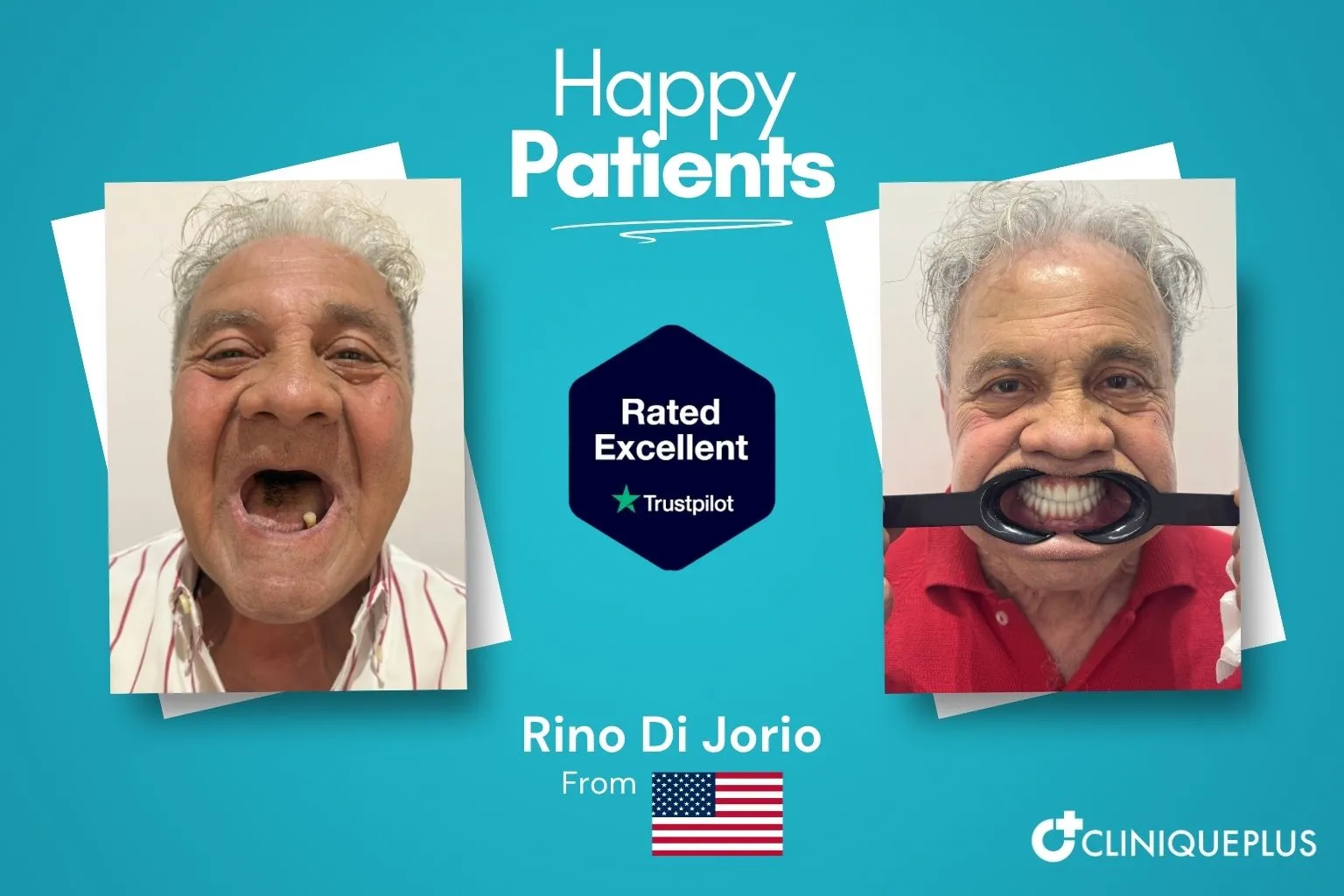
Long-term denture wearers. After 10–20 years of dentures, the ridge flattens to the point where dentures no longer stay in place — the classic “my dentures won’t hold anymore” problem. This is exactly the situation All-on-4 and implant-supported solutions were designed for.
Advanced gum disease. Periodontitis destroys the bone around teeth silently for years. By the time teeth loosen and are removed, the bone underneath has already receded significantly.
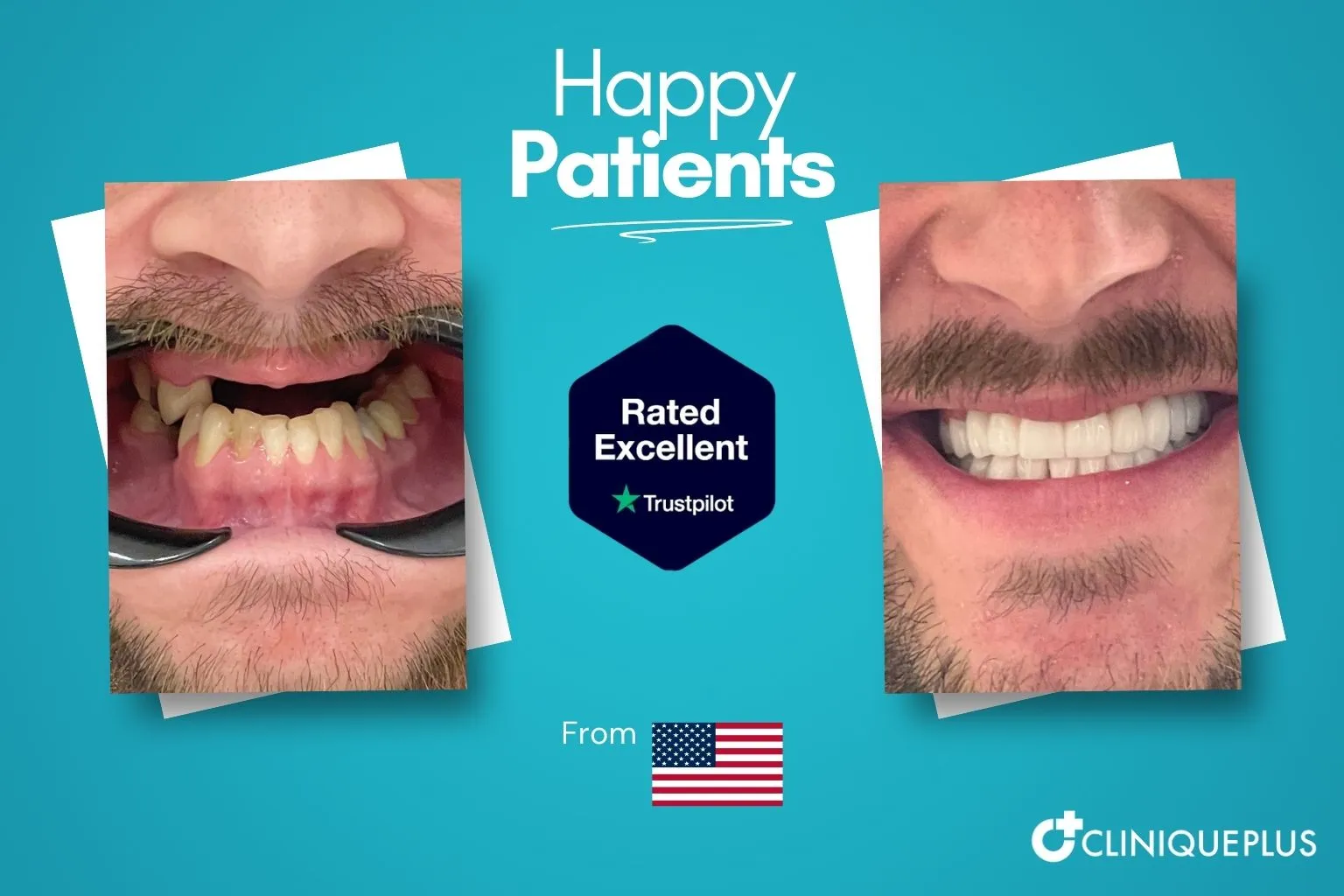
Recovery from addiction. Methamphetamine, opioids, and long-term substance use cause aggressive tooth loss and accelerated bone destruction — and patients in recovery are often quoted impossible sums for repair, or dismissed entirely. CLINIQUEPLUS has extensive experience rebuilding smiles for patients in recovery, including documented non-opioid pain management protocols arranged before surgery. If this is your situation, these guides are written for you: Dental Implants After Drug Addiction, Meth Mouth Repair Cost: USA vs Turkey, and free dental implants and funding options for recovering addicts.
What Treatment Looks Like, Step by Step
Step 1: Free Remote Assessment
Send your existing panoramic X-ray or CT scan via the form on this page or WhatsApp. If you don’t have imaging, clear photos are enough for a preliminary review. Within 24 hours you receive a treatment recommendation, the implant brand confirmed in writing, and an all-inclusive quote.
Step 2: CT Scan and Final Plan in Istanbul
On Day 1 in Istanbul, a CBCT scan confirms your exact bone volume. Your surgeon finalizes whether you need grafting, a sinus lift, All-on-4 angulation, or another approach — and the written quote you received is honored.
Step 3: Surgery — Often Graft and Implants Together
Minor and moderate grafts are placed simultaneously with implants in a single session. Severe cases may stage the graft first. All-on-4 patients receive a fixed temporary arch before flying home — you leave Istanbul with teeth, not gaps. The full same-day process and trip timeline: Same-Day Dental Implants in Turkey.
Step 4: Healing at Home (3–6 Months)
Osseointegration — your bone fusing with the implants and graft — happens at home, with your coordinator available permanently on WhatsApp.
Step 5: Final Prosthetics
A second visit of 3–5 days for your permanent zirconia teeth. Planning your travel is simpler than most patients expect — see Getting Teeth Done in Turkey: Complete Cost & Safety Guide.
Why Bone Loss Patients Choose CLINIQUEPLUS
CLINIQUEPLUS is an internationally trusted health tourism agency based in Istanbul, holding a 4.9-star Trustpilot rating from over 100 verified international patients — many of them complex bone-loss and full-mouth reconstruction cases.
- In-house bone grafting. Grafts, sinus lifts, and implants are handled by one clinical team in one facility — no external referrals, no fragmented billing, no surprises.
- Premium implant brands only. Made in Switzerland implants and CE-certified European systems, confirmed in writing before you book. Never unbranded economy systems — brand quality matters even more in compromised bone.
- 3D CBCT planning as standard. Every bone-loss case is planned digitally from a 3D scan — implant positions, graft volumes, and angulation are decided before surgery, not during it.
- All-on-4 / All-on-6 expertise. Full-arch solutions engineered for resorbed jaws are among our most performed procedures. See real results: Full Mouth Reconstruction Turkey.
- HealthTürkiye registered. Fully compliant with Turkey’s international patient regulatory framework. For the complete safety picture: Is Dental Tourism in Turkey Safe?
- Transparent all-inclusive pricing. Hotel, transfers, imaging, procedures, temporaries, and medications in one written price.
Frequently Asked Questions
Can I get dental implants if I have severe bone loss?
Yes, in almost all cases. Options include bone grafting, sinus lifts, All-on-4 tilted implants that anchor in the densest remaining bone, short implants, and — for extreme upper jaw resorption — zygomatic implants anchored in the cheekbone. A CBCT scan determines which approach fits your anatomy. “Not enough bone” is a treatment-planning input, not a rejection.
How much does a bone graft for dental implants cost in Turkey?
In Istanbul, a bone graft typically costs $120–$600 per site and a sinus lift $250–$700 — compared to $600–$3,000 and $1,500–$5,000 respectively in the USA. At CLINIQUEPLUS, grafting is performed in-house and your exact cost is confirmed in a written all-inclusive quote after a free X-ray review, before you book travel.
How long does treatment take if I need a bone graft?
Minor and moderate grafts are usually placed in the same session as the implants — adding zero extra trips. Larger grafts heal for 3–6 months before implants are placed, which can mean one additional short visit. A typical bone-loss patient completes everything in two visits to Istanbul of 5–7 days each, spaced 3–6 months apart.
Can I get All-on-4 with severe bone loss instead of grafting?
Very often, yes — All-on-4 was invented precisely for resorbed jaws. By tilting the rear implants up to 45°, they anchor in the front jaw areas where bone survives longest, frequently eliminating grafting entirely. At CLINIQUEPLUS, All-on-4 costs $4,670 per jaw / $7,960 for both jaws, all-inclusive with hotel and transfers — the complete guide is here: All-on-4 Dental Implants in Turkey.
Am I too old for bone grafting and implants?
No. Bone grafting and implants are performed successfully on patients in their 60s, 70s, and beyond — healing takes slightly longer, but success rates remain excellent in healthy patients. Age matters far less than overall health, smoking status, and conditions like uncontrolled diabetes.
What if I’ve worn dentures for 15–20 years?
Long-term denture wearers have some of the most resorbed jaws we see — and they are also among the most successful All-on-4 and implant-supported denture cases. Your CT scan will show whether tilted implants can use your remaining bone or whether targeted grafting is needed first. Either way, loose dentures are a solvable problem, not a permanent one.
Is it safe to have bone grafting done in Turkey?
Yes — at a properly registered clinic. Since 2025, Turkish facilities serving international patients must register on the HealthTürkiye portal and carry complication insurance. CLINIQUEPLUS is fully registered, uses certified graft materials and premium implant brands, and holds a 4.9-star Trustpilot rating from 100+ international patients. Full guidance: Is Dental Tourism in Turkey Safe? 2026 Guide.
Find Out What’s Actually Possible for Your Jaw — Free
Send us your X-ray, CT scan, or photos. Within 24 hours you’ll know exactly which technique fits your bone situation, which implant brand you’d receive (confirmed in writing), and the full all-inclusive 2026 price. Being told “no” at home is where most of our patients started.
Free. No deposit. No commitment required.
- 📍 Location: Sanayi Mah, Levent, Sultan Selim Cd. No:22/A, 34025 Kağıthane / Istanbul, Turkey
- 📞 WhatsApp / Phone: +90 542 160 30 30
- 🌐 Website: cliniqueplus.com
- 📸 Instagram: @cliniqueplusdental
- ⭐ Rating: 4.9 / 5.0 from 100+ international patients
By CLINIQUEPLUS Patient Care Team • Reviewed by: Eshat Araz, Head Dentist • Istanbul, Turkey • Last Updated: July 2026 • Reading time: 12 min
Disclaimer: This article is for informational purposes only and is not a substitute for a clinical examination. Whether implants, grafting, or alternative techniques are suitable for you can only be determined after review of your imaging. Treatment costs are indicative and subject to individual clinical assessment; all prices are confirmed in writing before treatment begins.